Articles
Common Signs Your Septic Tank Needs Attention
Mar 10, 2026
Learn the common signs your septic tank needs attention, including slow drains, foul odors, soggy yard areas, and backups. Discover when to inspect or service your septic system to prevent costly repairs and keep your wastewater system running smoothly.
What is a Septic Tank, and how do you know when it needs maintenance?
When you’re septic tank needs attention, you need to act fast with maintenance or repair to prevent costly, and stinky, problems. A septic tank is an underground, watertight container designed to treat and manage wastewater from homes or buildings that are not connected to a municipal sewer system. It serves as a critical component of a septic system, which safely processes and disposes of wastewater on-site.
A septic bed, also known as a leach field, drain field, or absorption field, is a critical part of a septic system that works in conjunction with the septic tank. It is an area of soil or gravel where the treated wastewater (effluent) from the septic tank is dispersed and naturally filtered before being absorbed into the ground.
How does a Septic Tank Work?
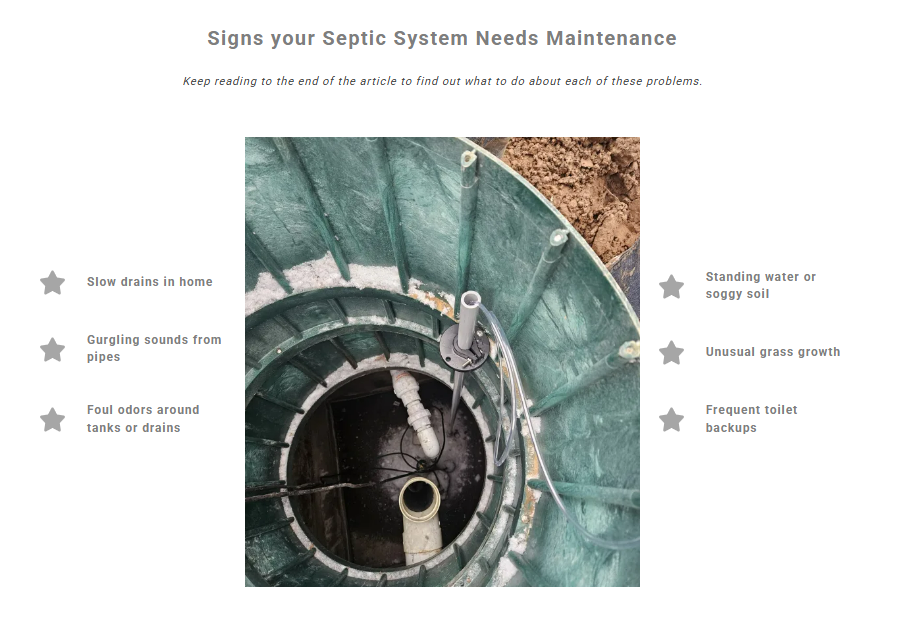
A septic tank is an underground system that treats wastewater from your home. Water from toilets, sinks, showers, and appliances flows into the tank, where the waste naturally separates into three layers. Lighter materials like oils and grease float to the top as scum, heavier solids sink to the bottom as sludge, and the liquid in the middle—called effluent—remains between them. Naturally occurring bacteria inside the tank help break down organic waste, reducing the amount of solid material over time. The liquid effluent then flows out of the tank into a drain field, where it is filtered and absorbed by the surrounding soil. Over time, the sludge and scum layers build up and must be pumped out periodically to keep the septic system working properly.
Wastewater Flow
Wastewater from toilets, sinks, showers, and appliances flows into the septic tank. This includes both solid and liquid waste.
Separation of Solids and Liquids
Inside the tank, the waste separates into three layers:
Scum: Lighter materials (like oils and grease) float to the top.
Effluent: The liquid middle layer, which contains water and dissolved waste.
Sludge: Heavier solids sink to the bottom.
Natural Bacterial Breakdown
Bacteria in the tank break down organic material, reducing the volume of solids over time.
Effluent Discharge
The liquid effluent flows out of the tank into a drain field (or leach field), where it is naturally filtered and absorbed into the soil.
Solid Waste Accumulation
Over time, sludge and scum build up and must be pumped out regularly to maintain the system’s functionality.
Did you know...
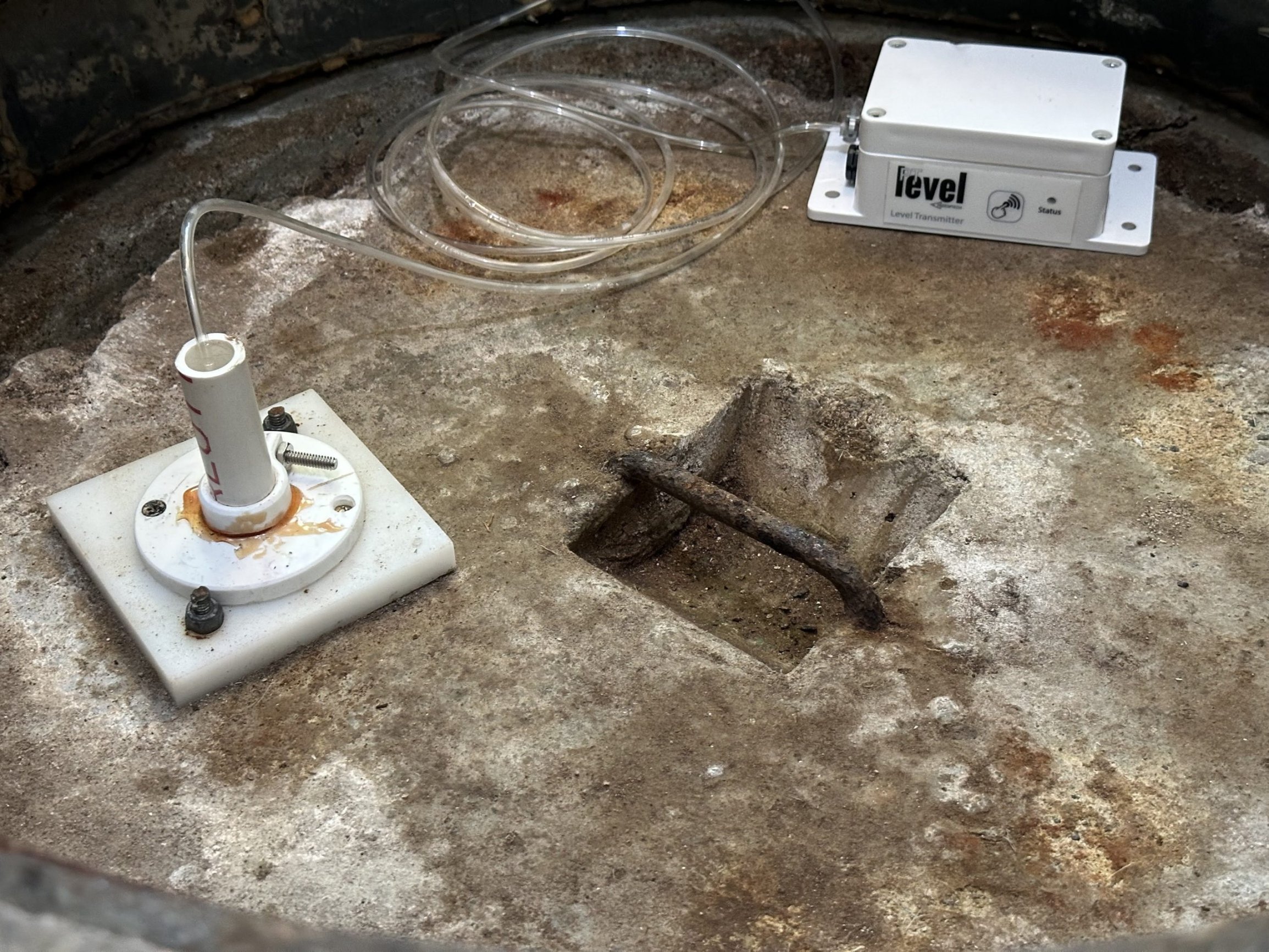
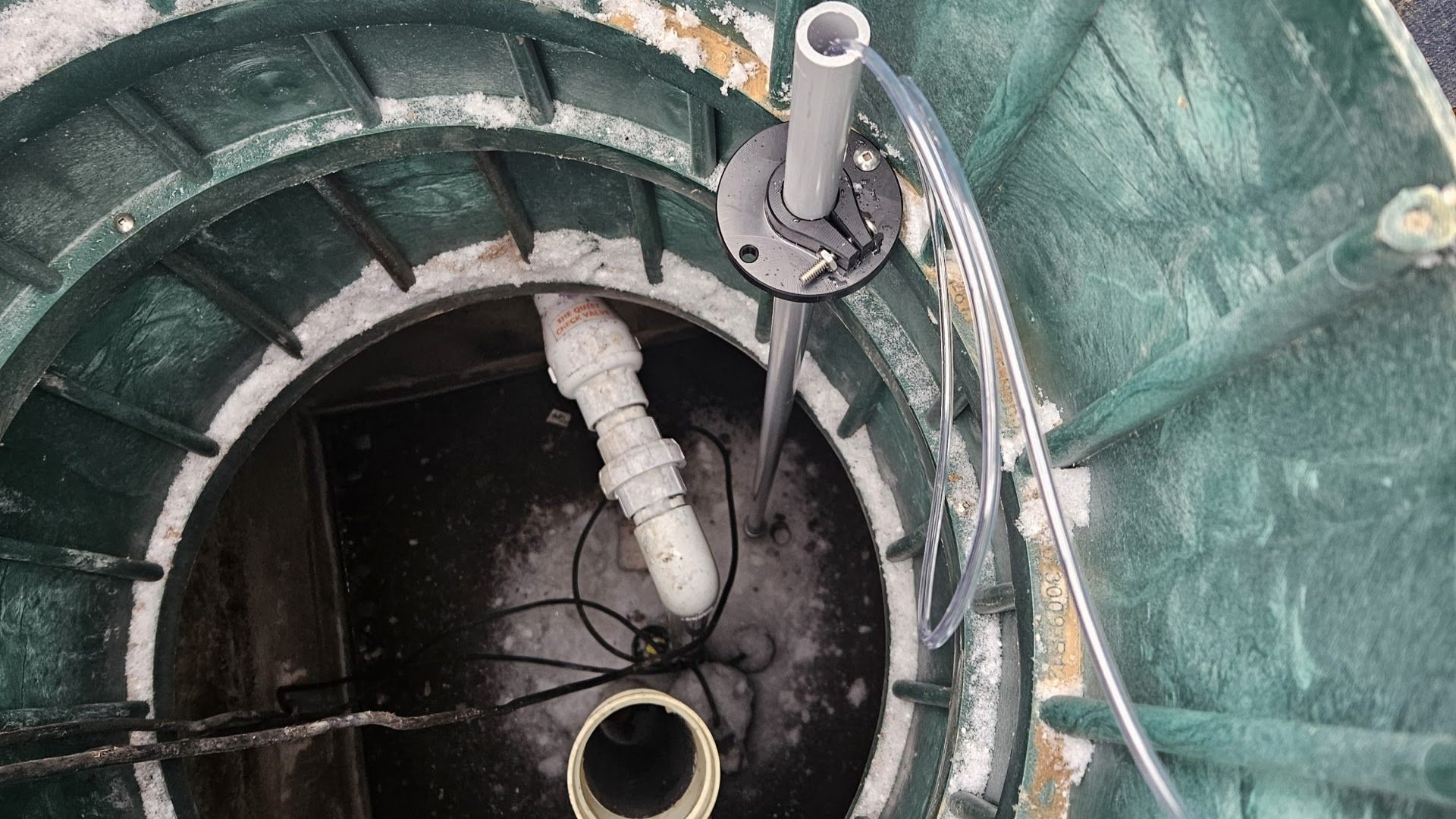
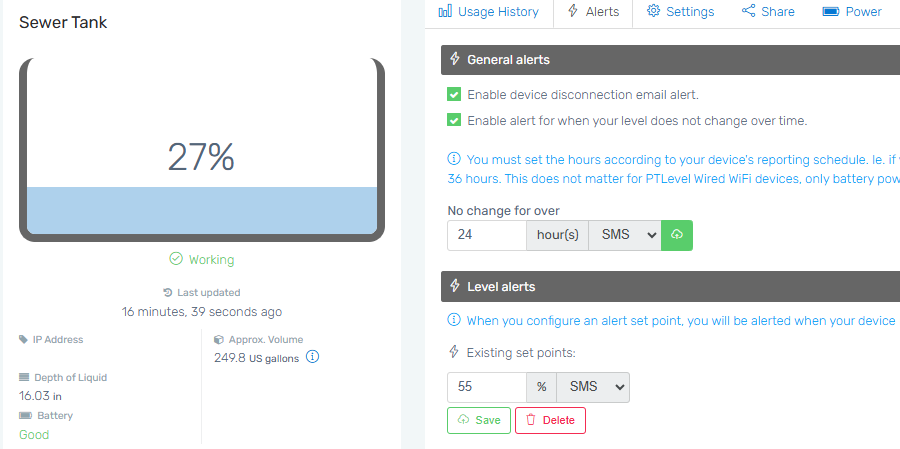
You can monitor your septic tank levels and your holding tank levels, and get alarms to let you know if there’s a problem, before it’s a big problem?
low level alerts
high level alerts
history graphs
temperature tracking
How does a Septic Bed work?
Effluent Flow
After the septic tank separates solids from liquids, the liquid effluent flows into the septic bed through a network of perforated pipes.
Distribution of Wastewater
The pipes in the bed evenly distribute the effluent into a gravel-filled trench or a system of chambers.
Natural Filtration
As the effluent seeps into the surrounding soil, it is filtered by natural processes. Microorganisms in the soil break down any remaining organic material, pathogens, and nutrients.
Groundwater Protection
Once filtered, the clean water continues to percolate through the soil layers, eventually recharging the groundwater without harmful contaminants.
So now that you understand how the septic system works, let’s dig into common signs you’ll see when your septic tank needs attention, and how a monitoring system can help!

Lush, patchy, soggy grass around your septic bed is.... bad!
Because there is extra nitrogen and phosphorus that is naturally found in human and animal waste, when you start seeing lush, patchy, or soggy areas around your septic bed it could mean your septic system is failing.
Leach lines are commonly made of PVC pipe, and they're placed into trenches filled with gravel and sand, which help treat the wastewater. The PVC pipes are drilled with small holes so the wastewater can drain out of the pipes and into the surrounding material.
Signs Your Septic Tank Needs Maintenance
Slow Drains in Your Home
Description: Water drains sluggishly in sinks, showers, or toilets.
Causes: A full tank or blockages in the system.
Monitoring Solution: A monitoring system can detect high levels before slow drainage becomes noticeable.
Gurgling Sounds from Pipes
Description: Unusual noises when water drains or the toilet flushes.
Causes: Air trapped in pipes due to clogs or rising levels in the tank.
Monitoring Solution: Alert systems can notify you of rising water levels.
Foul Odors Around the Tank or Drains
Description: Persistent sewage smells inside or outside your home.
Causes: Overflowing tank or leaks in the system.
Monitoring Solution: Monitoring can identify issues before odors develop. With a monitoring system like the PTLevel, you can view your levels anytime, view charts of the history of the levels, and even get SMS and email alerts if your level gets too high or too low.
Standing Water or Soggy Soil
Description: Water pooling near the drain field or septic tank.
Causes: Tank overflow or system failure.
Monitoring Solution: Early detection of high water levels helps prevent surface leaks
Lush, Unusual Grass Growth
Description: Areas of grass near the septic tank appear greener and grow faster.
Causes: Leaking tank releasing nutrients into the soil.
Monitoring Solution: Alerts for leaks or unusual water level changes.
Frequent Toilet Backups
Description: Toilets that don’t flush properly or back up regularly.
Causes: A full tank or clogged pipes.
Monitoring Solution: Real-time water level tracking prevents overflow situations.
Key Features of the PTLevel for Septic Tank Monitoring
WiFi Connectivity
Real-time Alerts: Receive instant notifications on your smartphone when the tank’s water levels are too high or too low.
Remote Access: Monitor your septic tank from anywhere, eliminating the need for physical inspections.
Cloud-Based Data Storage: Access historical data to analyze trends and spot patterns in water usage.
Long-Range Capabilities
Ideal for Remote Locations: Works well even when the septic tank is far from the main building, making it perfect for rural properties or farms.
Strong Signal Strength: Ensures reliable communication between the PTLevel device and your network, even in challenging environments.
Low Power Consumption
Long Battery Life: Operates for over two years on a single battery, reducing maintenance costs and hassle.
Sustainable and Cost-Effective: Lower energy usage supports environmentally friendly practices and keeps operating costs minimal.
Prevents Costly Overflows and Repairs
Early detection of rising water levels helps prevent backups and expensive system repairs.
Improves Maintenance Scheduling
Provides accurate data on tank usage, helping you schedule pump-outs at the right time.
User-Friendly Installation
Easy to set up without requiring professional assistance, saving both time and money.
Compatibility with Various Septic Systems
Works with different tank sizes and designs, making it versatile for homeowners, businesses, and farms.