Articles
How to Protect Your Cistern or Well in Winter
Mar 19, 2026
As temperatures start to drop, it’s essential to make sure your water supply system is prepared for winter. Taking the time to winterize your cistern or well system can prevent costly repairs, maintain water quality, and ensure you have uninterrupted access to water throughout the cold months. Here's a step-by-step guide to help you get ready.
How to prepare your cistern or well for winter
Is your water system ready for winter?
1. Inspect and Clean the System
Before winter sets in, inspect your cistern or well for any signs of wear or damage. This includes checking:
The tank or well casing for cracks or leaks. If you see a crack, it should be repaired before winter. Plastic tanks and cement cisterns are repaired using different techniques; make sure to reach out to your local cistern specialists for repair.
Pipes and fittings for signs of corrosion or loose connections.
The pump for proper operation.
For cisterns, it’s also a good idea to give the tank a thorough cleaning. Remove any debris or sediment that may have built up over time. This helps maintain water quality and ensures smooth operation throughout the winter.
2. Insulate Pipes and Tanks
Another way to prepare your well or cistern for winter is to prepare your water pipes. Freezing temperatures can cause pipes to burst, leading to water loss and costly repairs. Insulate any exposed pipes, especially those running above ground or in unheated spaces. You can use foam pipe insulation or even wrap pipes with heat tape to prevent freezing.
For cisterns, if your tank is above ground, consider insulating the tank itself or using a cistern heater to prevent freezing. For wells, make sure the well cap and casing are adequately insulated to keep out cold air and moisture.
3. Check the Pump
Your pump is a critical part of your water system, and winter can be tough on it. Make sure the pump is properly lubricated and running efficiently. For above-ground pumps, consider insulating them or installing a pump house to protect them from the cold.
If you use a submersible pump, it’s typically safe from freezing, but you’ll still want to inspect the electrical connections and make sure the control box is secure.
4. Monitor Water Levels Regularly
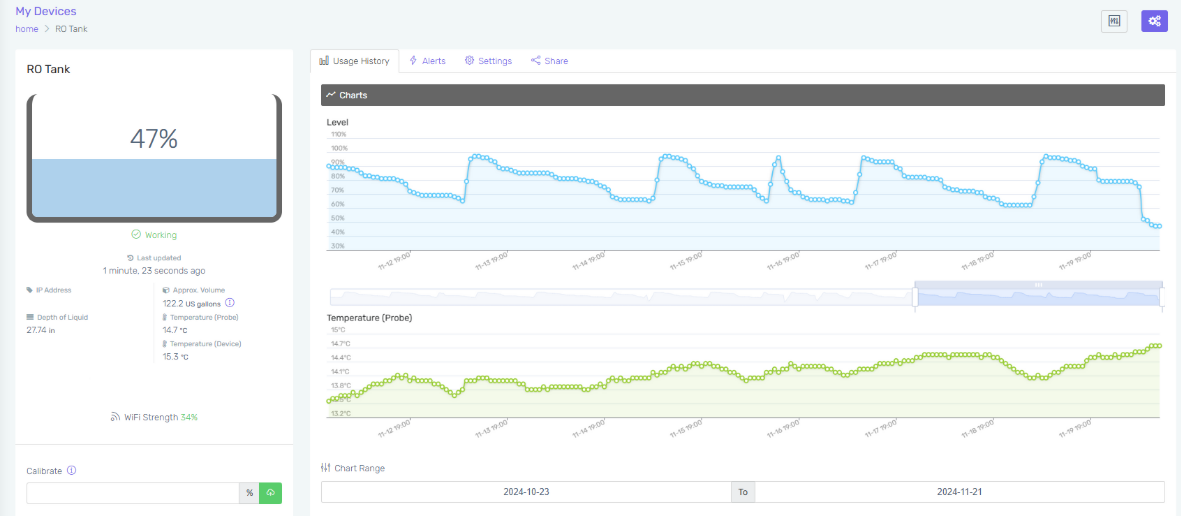
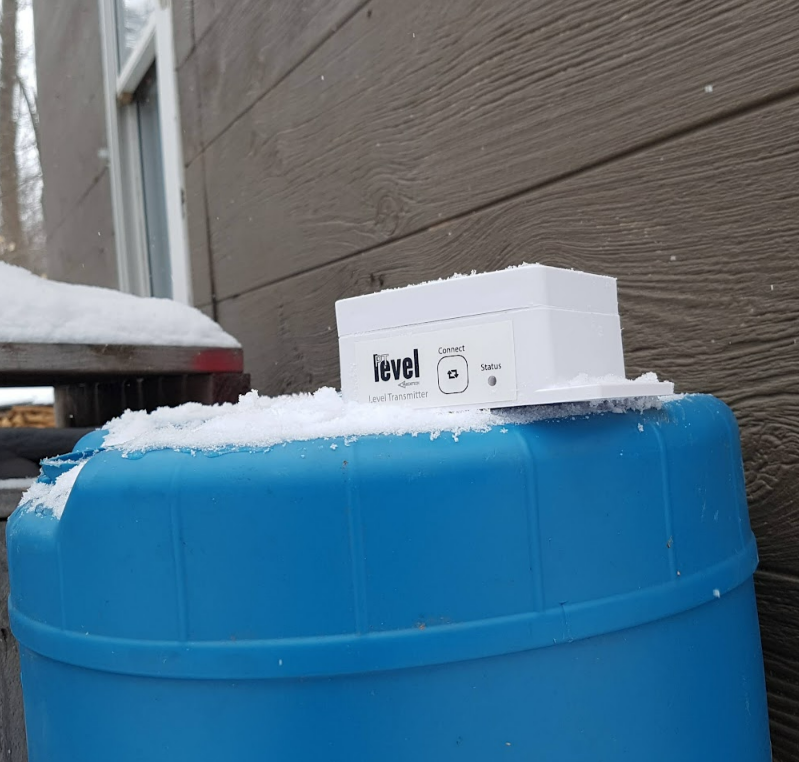
Winter storms and freezing conditions can affect your water supply, especially if you rely on a water well. The PTLevel is an excellent tool for this, providing real-time monitoring of your well or cistern levels.
5. Prevent Contamination
During winter, melting snow and ice can lead to surface water contamination in wells. Ensure your well cap is securely in place and in good condition to prevent water and debris from seeping in. Cistern owners should also check for any gaps or openings where contaminants could enter.
If you live in an area prone to flooding, consider raising the wellhead above the expected flood level or ensuring the cistern’s lid is properly sealed.
6. Consider Installing a Backup Power Source
Winter storms can lead to power outages, which can interrupt your water supply if your system relies on electricity. Having a backup generator ensures that your pump continues to operate even when the power goes out, keeping water flowing in your home.
7. Test Your Water Quality
Lastly, it’s important to test your water quality before winter. Cold weather can sometimes impact water quality, especially in shallow wells or cisterns exposed to surface conditions. Testing for bacteria, pH levels, and other contaminants gives you peace of mind knowing your water is safe for consumption throughout the winter months.
We use Med Lab 16-in-one test strips for our home and business (They have not sponsored this post, but honestly we love their products and encourage you to try them out! They measure Lead, Fluoride, Iron, Copper, Mercury, Total Chlorine, Nitrite, Nitrate, pH, Total Alkalinity, Total Water Hardness, Aluminum, Sulfate, Bromine, Free Chlorine, and Cyanuric Acid.)
Final Water Winterizing Thoughts
Winterizing your cistern or well is essential for avoiding costly repairs and ensuring a steady supply of clean water all season long. By following these simple steps—inspecting your system, insulating, monitoring water levels, and safeguarding against contamination—you can protect your water supply from winter’s harsh and unpredictable conditions. Plus, with the help of modern tools like the PTLevel, you can enjoy the convenience of real-time water level monitoring, no matter how cold it gets outside.